
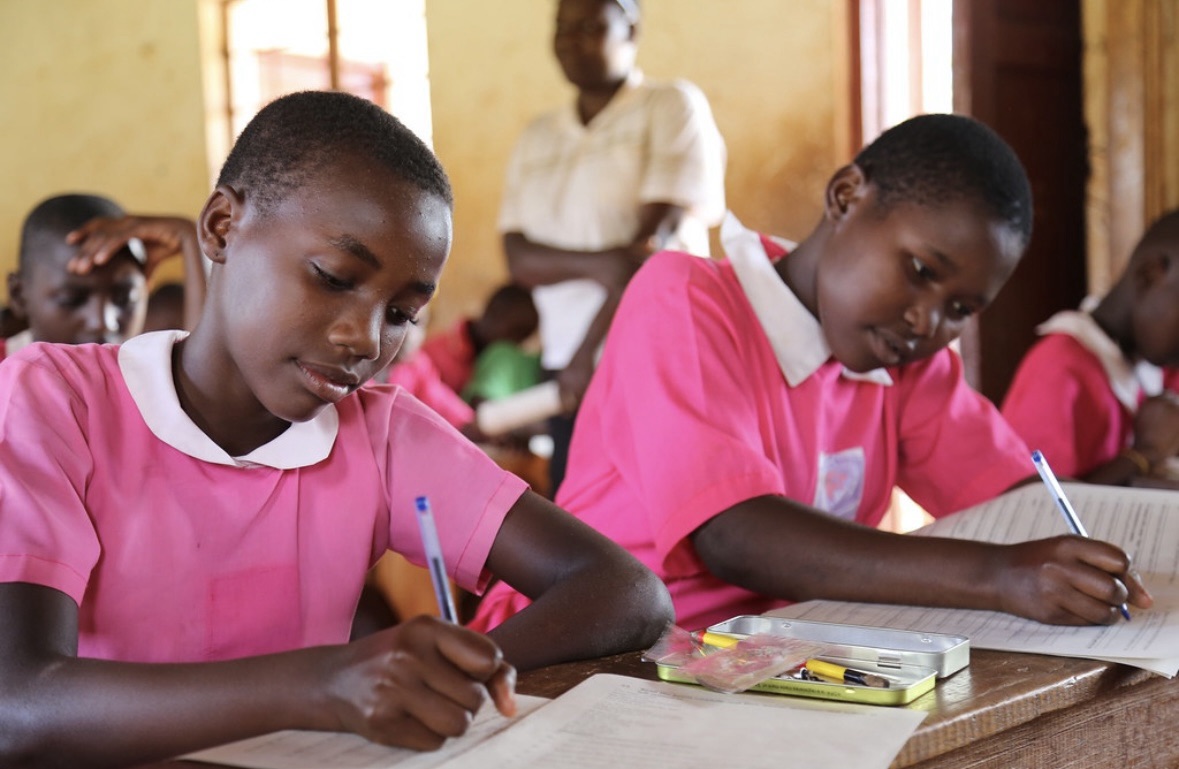
Empowering Uganda’s Girls Through Education and Sport
In Uganda, significant strides have been made in promoting girls’ education and participation in sports. However, numerous challenges persist, hindering the full realization of gender equality in these sectors.
Education: Progress and Persistent Barriers
Enrollment and Literacy
Uganda has witnessed improvements in female literacy rates, rising from 45% in 1991 to 68% in 2014. Despite this progress, disparities remain:
Approximately 700,000 girls aged 6–12 have never attended school. Only 53% of girls complete primary education, and a mere 18% finish upper secondary school.
Contributing Factors to Dropouts
Several factors contribute to the high dropout rates among Ugandan girls:
Early Marriage and Pregnancy: Up to 40% of girls marry before 18, and 23% drop out due to pregnancy. Economic Constraints: While primary education is officially free, associated costs like uniforms and supplies often lead families to prioritize boys’ education. Cultural Norms: Traditional gender roles and societal expectations often discourage girls from pursuing education.
Menstrual Hygiene Management
Inadequate menstrual hygiene facilities and resources in schools lead to absenteeism among girls during their menstrual cycles. This gap in attendance can significantly impact their academic performance and continuation.
Sports: A Tool for Empowerment
Sports play a crucial role in empowering Ugandan girls, offering them opportunities for personal development, leadership, and community engagement.
Kampala Kids League (KKL)
Established in 1998, KKL provides a platform for children aged 4–14 to engage in various sports, including football, basketball, baseball, and mini cricket. Over 16,000 children from diverse backgrounds have participated, fostering inclusivity and teamwork.
Challenges in Sports Participation
Despite the benefits, girls face obstacles in accessing sports:
Limited Infrastructure: Many schools lack adequate sports facilities, especially in rural areas. Cultural Barriers: Societal norms often discourage girls from participating in sports, viewing it as inappropriate or unnecessary. Resource Constraints: Lack of equipment and trained coaches hinders the development of girls’ sports programs.
Moving Forward
To enhance girls’ education and sports participation in Uganda:
Policy Implementation: Enforce existing laws that support girls’ education and protect against early marriage. Infrastructure Development: Invest in building and maintaining school facilities that cater to girls’ needs, including sanitation and sports amenities. Community Engagement: Conduct awareness campaigns to shift cultural perceptions and encourage community support for girls’ education and sports involvement.
By addressing these challenges through concerted efforts from the government, NGOs, and communities, Uganda can pave the way for a more equitable and prosperous future for its girls.
 13 not out